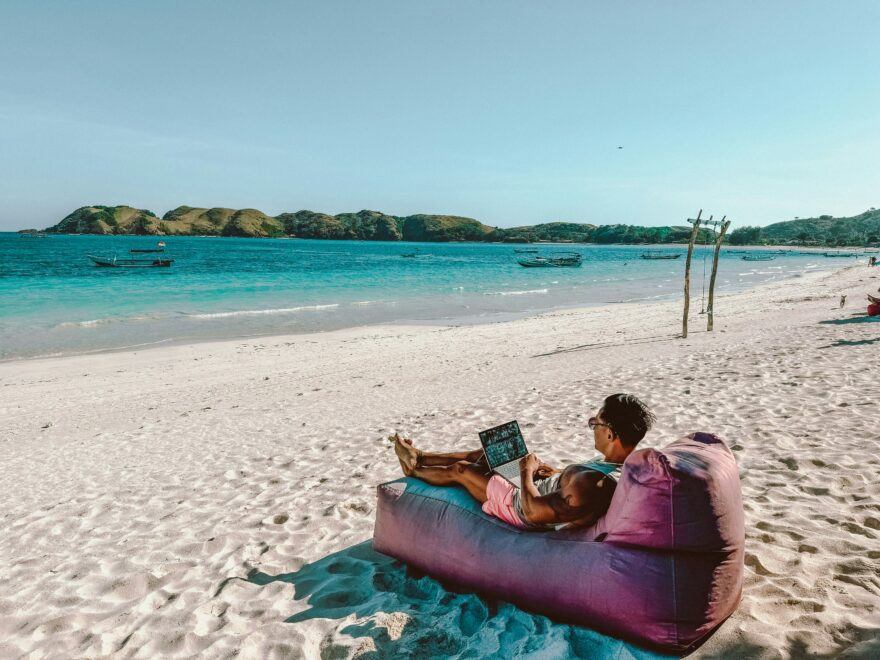
The digital nomad lifestyle blends freedom, flexibility, and purpose. It’s no longer reserved for a select few — remote work, global connectivity, and online education have made it achievable for anyone willing to design their career with intention. But creating a successful, sustainable nomadic career takes strategy, structure, and adaptability.
Digital nomads thrive by blending skills, systems, and structure. To succeed:
- Develop high-demand, portable skills.
- Create multiple income streams.
- Build a sustainable travel-work routine.
- Stay grounded with lifelong learning.
- Invest in tools and communities that support mobility and growth.
What It Means to Be a Digital Nomad
Digital nomads work remotely while traveling — from beach towns to big cities — balancing career growth and exploration. Common career paths include software development, writing, design, digital marketing, consulting, and education.
But freedom comes with responsibility: income planning, time zone management, and building routines to prevent burnout.
How to Build a Sustainable Digital Nomad Career
- Choose a Core Skill Set
- Focus on fields with portable, high-value skills: coding, copywriting, UX design, or online marketing.
- Free resources like Coursera and LinkedIn Learning can help you upskill fast.
- 2. Start Remote-Friendly
- Look for remote-first companies via We Work Remotely or Remote OK.
- Build a solid remote reputation before you go fully nomadic.
- 3.Build Multiple Income Streams
- Combine freelance contracts, teaching, affiliate work, and digital products for stability.
- Platforms like Fiverr and Teachable help you diversify.
- 4.Structure Your Week
- Create blocks for deep work, exploration, and rest.
- Use digital productivity tools like Notion or Trello.
- 5.Invest in Learning
- Never stop developing your technical, creative, and strategic skills.
- This leads to higher rates, more opportunities, and lasting flexibility.
Checklist: Readiness for the Nomad Life
Before You Go Nomadic, Ask Yourself:
- Do I have at least 3–6 months of savings?
- Can I work productively from anywhere with stable internet?
- Have I secured consistent clients or a remote role?
- Do I understand visa, insurance, and tax obligations?
- Am I mentally prepared for isolation or frequent change?

If you checked “yes” to most — you’re ready to start planning your journey.
Skill Development for Marketability
As industries evolve, staying relevant is key. Returning to school — even virtually — can sharpen your competitive edge and unlock more advanced opportunities. For example, researching computer science degrees online can pave the way for you to deepen your understanding of big data and analytics while maintaining a flexible, remote-friendly schedule. Online learning makes it easier to balance work, travel, and education — essential for long-term digital nomad success.
Example Career Paths & Core Requirements
| Path | Key Skills | Recommended Tools | Typical Income Range |
| Freelance Writer | SEO, storytelling, editing | Google Docs, Grammarly | $40K–$80K |
| Web Developer | JavaScript, React, APIs | GitHub, VS Code | $70K–$120K |
| Digital Marketer | Analytics, copywriting, ads | Meta Ads, HubSpot | $50K–$90K |
| UX/UI Designer | Figma, design thinking | Figma, Sketch | $60K–$100K |
| Data Analyst | SQL, Python, visualization | Tableau, Power BI | $65K–$110K |
Lifestyle Design: Work + Travel Harmony
Key Practices for Balance
- Batch work: Dedicate 3–4 focused days to client work, leaving the rest for exploration.
- Join co-living spaces: They provide community, structure, and reliable Wi-Fi — check Outsite.
- Time-zone batching: Align client calls around your travel zones to maintain productivity.
- Health matters: Use apps like Headspace or MyFitnessPal to stay grounded.

Spotlight Resource: Smarter Financial Management for Nomads
Managing money across countries can be one of the trickiest parts of the lifestyle. Tools like Wise (formerly TransferWise) make global banking seamless by letting you send, hold, and convert multiple currencies with transparent fees and real exchange rates. Whether you’re invoicing clients in euros or paying for housing in Thai baht, this kind of flexibility keeps your finances under control while you travel.
Smart money management means fewer surprises — and more freedom to focus on your work and the adventure.
FAQs
Q: What’s the biggest challenge digital nomads face?
A: Stability — both income and emotional. Planning helps mitigate that.
Q: How do I stay productive while traveling?
A: Create consistent routines and work in co-working spaces to keep focus.
Q: What’s the best way to network?
A: Join global digital nomad communities like Nomad List or Slack-based remote work groups.
Q: Is it expensive to be a digital nomad?
A: Not necessarily. Many thrive on $1,500–$3,000/month in cities like Chiang Mai or Lisbon.
Glossary
- Digital Nomad: A remote worker who travels while maintaining their career.
- Remote Work: Performing professional tasks from any location using internet tools.
- Big Data: Large sets of data analyzed to reveal trends and patterns.
- Freelancing: Independent contract work without long-term employer ties.
- Co-living: Shared housing designed for remote professionals and travelers.
Conclusion
Becoming a digital nomad isn’t about escaping reality, it’s about designing one that fits your ambitions and values. When you blend strong skills, structured systems, and continuous learning, you can work from anywhere, live intentionally, and thrive globally.
Start small, stay curious, and let your journey unfold one destination at a time. 
Guest post by Brenda Kirby of greenstillmatters.com